Chess Story
by Stefan Zweig
- Pages
- 104
- Langue
- EN
- ISBN
- 9781590171691
- Temps de Lecture
- ~1h 49min
Chess Story est un book de Stefan Zweig. Il compte 104 pages.
À propos de ce livre
Stefan Zweig’s final novel, written in exile during the rise of Nazi Germany, examines how the human mind endures isolation and psychological torture. Framed as a discovered manuscript shared among passengers on a South American cruise, the narrative centers on an Austrian lawyer imprisoned by Nazi authorities and forced to learn chess from a single book. As he masters the game through solitary repetition, chess becomes both his refuge and his battleground against mental breakdown. Zweig uses the disciplined structure of match play to explore broader questions about freedom, authoritarian control, and the fragility of sanity under duress. The work reflects the author’s own displacement and his conviction that intellectual engagement can preserve human dignity when physical liberty is stripped away. Blending psychological realism with allegorical precision, the novel remains a quiet but powerful meditation on resilience, the ethics of power, and the enduring need for connection in an increasingly fractured world.
À propos de l'auteur
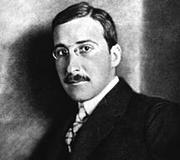 S
Sest l'auteur de Chess Story. Parcourez son catalogue complet sur Booklogr.
Explorez plus de livres de Stefan Zweig →Éditions et Formats
Critiques
Pas encore de critiques. Avez-vous lu ce livre ? Partagez vos impressions avec la communauté Booklogr.
Se connecter Connectez-vous pour écrire une critique
Questions Fréquentes
Combien de pages fait Chess Story ?+
Chess Story compte 104 pages.
De quoi parle Chess Story ?+
Stefan Zweig’s final novel, written in exile during the rise of Nazi Germany, examines how the human mind endures isolation and psychological torture. Framed as a discovered manuscript shared among passengers on a South American cruise, the narrative centers on an Austrian lawyer imprisoned by Nazi ...
Qui a écrit Chess Story ?+
Chess Story a été écrit par Stefan Zweig.