Dracula
by Bram Stoker
Répartition des Notes
- ISBN
- 9781503261389
À propos de ce livre
Published in 1897, Bram Stoker’s novel remains a foundational work of Gothic literature that transformed vampire folklore into a lasting cultural phenomenon. Written in an epistolary format, the narrative unfolds through journal entries, letters, newspaper articles, and ship logs, creating a documentary-style account of supernatural events. The story explores Victorian-era anxieties surrounding disease, sexuality, and the encroachment of modern technology upon ancient traditions. At its center is a Transylvanian aristocrat whose predatory nature challenges a group of educated professionals relying on science, faith, and rational thought. Stoker’s meticulous attention to period detail and atmospheric tension established enduring conventions of the horror genre, including the aristocratic vampire archetype and its specific vulnerabilities. The work continues to be studied for its reflection of late nineteenth-century social fears and its innovative narrative structure, which blends psychological suspense with supernatural mystery. Its enduring presence in literary studies underscores its significance as a pioneering exploration of fear, desire, and the boundaries between civilization and the unknown.
À propos de l'auteur
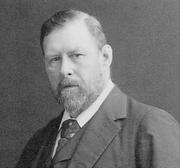 B
Best l'auteur de Dracula. Parcourez son catalogue complet sur Booklogr.
Explorez plus de livres de Bram Stoker →Apparaît dans 2 listes
Éditions et Formats
Ce Qu'en Disent les Lecteurs
“Historically significant but some sections drag. Van Helsing's speeches go on forever.”
“The first third set in Transylvania is incredible. The pace slows when they get to England but picks up again.”
“The epistolary format is genius - reading diary entries and letters makes the horror feel intimate and real.”
Critiques (10)
Historically significant but some sections drag. Van Helsing's speeches go on forever.
The first third set in Transylvania is incredible. The pace slows when they get to England but picks up again.
Forget every vampire movie you've seen. The original Dracula is genuinely creepy and psychologically rich.
Stoker created the template for modern horror. The Count barely appears but his presence is felt on every page.
Jonathan Harker's journal entries at Castle Dracula are some of the most suspenseful pages in all of literature.
Mina Harker is the real hero and doesn't get enough credit. Stoker accidentally wrote a feminist character.
Perfect October read. The atmosphere is thick and the horror builds slowly but effectively.
The way multiple narrators piece together the mystery is ahead of its time. A proto-thriller.
A Victorian masterpiece of dread. The themes of sexuality, immigration anxiety, and modernity vs tradition are fascinating.
Questions Fréquentes
De quoi parle Dracula ?+
Published in 1897, Bram Stoker’s novel remains a foundational work of Gothic literature that transformed vampire folklore into a lasting cultural phenomenon. Written in an epistolary format, the narrative unfolds through journal entries, letters, newspaper articles, and ship logs, creating a documen...
Qui a écrit Dracula ?+
Dracula a été écrit par Bram Stoker.
Quelle est la note de Dracula ?+
Dracula a une note moyenne de 4.0/5 basée sur 10 évaluations sur Booklogr.