Middlemarch
by George Eliot
- Pages
- 904
- Langue
- EN
- ISBN
- 9780451529176
- Temps de Lecture
- ~15h 50min
Middlemarch est un book de George Eliot. Il compte 904 pages.
À propos de ce livre
Set in a fictional English provincial town during the 1830s, George Eliot’s work presents a meticulously observed portrait of community life on the cusp of political and social transformation. Through an intricate network of interwoven storylines, the narrative examines how personal ambitions intersect with institutional constraints, particularly in matters of marriage, professional vocation, and intellectual aspiration. Eliot’s prose combines psychological insight with moral seriousness, tracing the gradual maturation of characters who navigate the gap between idealism and practical reality. The novel is noted for its panoramic scope, balancing intimate domestic concerns with broader questions of civic responsibility and historical change. By giving equal attention to the lives of men and women, clergy and physicians, landowners and newcomers, Eliot constructs a nuanced study of provincial society that remains influential for its realistic portrayal of human fallibility and the quiet dignity of ordinary choices.
À propos de l'auteur
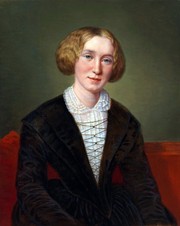 G
Gest l'auteur de Middlemarch. Parcourez son catalogue complet sur Booklogr.
Explorez plus de livres de George Eliot →Éditions et Formats
Critiques
Pas encore de critiques. Avez-vous lu ce livre ? Partagez vos impressions avec la communauté Booklogr.
Se connecter Connectez-vous pour écrire une critique
Questions Fréquentes
Combien de pages fait Middlemarch ?+
Middlemarch compte 904 pages.
De quoi parle Middlemarch ?+
Set in a fictional English provincial town during the 1830s, George Eliot’s work presents a meticulously observed portrait of community life on the cusp of political and social transformation. Through an intricate network of interwoven storylines, the narrative examines how personal ambitions inters...
Qui a écrit Middlemarch ?+
Middlemarch a été écrit par George Eliot.