Zen in the art of rhetoric
- ISBN
- 0791428036
Zen in the art of rhetoric est un coherence theory, essence, genius, nature book de Mark Lawrence McPhail.
À propos de ce livre
Drawing on poetry, personal narratives, critical analysis, and epistemological explorations this book expands traditional conceptions of rhetoric beyond an "art of persuasion" to a power to manage diverse conceptions of reality, freeing the study and practice of discourse from the essentializing constraints of foundationist philosophy. As an "inquiry into coherence," the book explores social, political, and pedagogical issues ranging from racism, to cultural and ethnic diversity, to the role of argument and persuasion in the creation and perpetuation of difference. The result of this exploration is as understanding of rhetoric as a Tao, a Way of being, thinking, and speaking grounded in what the author calls "dialogic coherence," an actively non-argumentative approach to language, life, and method that is based upon the philosophies and practices of the Eastern martial arts.
À propos de l'auteur
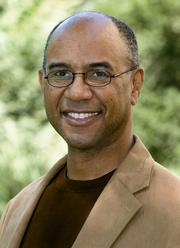 M
Mest l'auteur de Zen in the art of rhetoric. Parcourez son catalogue complet sur Booklogr.
Explorez plus de livres de Mark Lawrence McPhail →Éditions et Formats
Critiques
Pas encore de critiques. Avez-vous lu ce livre ? Partagez vos impressions avec la communauté Booklogr.
Se connecter Connectez-vous pour écrire une critique
Questions Fréquentes
Quel est le genre de Zen in the art of rhetoric ?+
Zen in the art of rhetoric est un livre de Coherence theory, Essence, genius, nature, Language and languages, Philosophy, Religious aspects.
De quoi parle Zen in the art of rhetoric ?+
Drawing on poetry, personal narratives, critical analysis, and epistemological explorations this book expands traditional conceptions of rhetoric beyond an "art of persuasion" to a power to manage diverse conceptions of reality, freeing the study and practice of discourse from the essentializing con...
Qui a écrit Zen in the art of rhetoric ?+
Zen in the art of rhetoric a été écrit par Mark Lawrence McPhail.